Home Selling Tips that make all the difference
Most of us will need to sell the old home before we start building the new one, so here are wonderful ideas that will help things go a little faster
- Take down all family photos and keepsakes that identify to your family. When other people are in your home trying to relate to the house as it could belong to them, see another family’s pictures and life established there prevents from easily visualizing themselves living there.

- Put a heat safe pan of water 3/4 full in the oven with two tablespoons of vanilla and a dash of cinnamon. Your house will smell like fresh baked goods all day. Or use vanilla scented wax warmers for all day baking scent if it’s too hot to keep the oven on. The smell of baked goods make people feel like they’re at home.

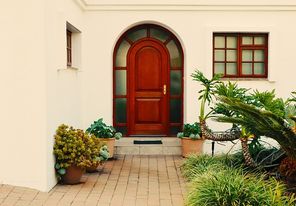
- Place one decorative item on your front door that is seasonally appropriate. The exception to this is if you have decorative glass then let that speak for itself. You want to show off what is included in your home.
- Turn on every light in the house. Light makes the house look more inviting.

- Use long lasting accent candles in safe places.

- Open every door. You don’t want anyone to think you have something to hide.

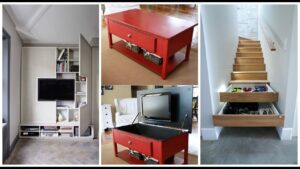
- Organize small spaces we are normally most comfortable keeping out of sight. The food pantry should be open and organized. Laundry open and organized. Cabinets, lazy Susan pantries, dish pantries, closets, and all storage drawers and cabinets should be organized and ready for potential owners to snoop through as they get a feel for where their stuff may be stored one day. Keep clutter out of all spaces, which may leave you living out of travel kits to organize personal belongings that you don’t want eyes on. Better to open a cabinet to three travel makeup bags than all your lose makeup and hair things. Hidden storage somewhere? That is an accent feature you must have seen and be willing to show it off.
- Hot tubs with standing water should be bubbling during open houses.

- Outside lighting should also be on during open house even in the day.

- Have a intimate goodbye dinner with close family. Talk about great memories in the house. Talk about how you have loved it but the excitement of moving on and into your next build. Moving is emotional, and we must detach to move on. It helps to hold gratitude for all a home has given to you to let go and to wish the next family of your current home a lifetime of joy as you and your family have shared in the house before them.

- Most home buyers will make an offer lower than the listing price, so be prepared to negotiate by listing your home a little higher than the amount you hope to receive.
Be prepared to move out within a short time after the sale. The buyer won’t be interested in waiting for you to design and build your new home. Negotiate time into your contract if you need it.
Best of luck selling your home
Tips provided by Jacquelynn Faye Thompson